




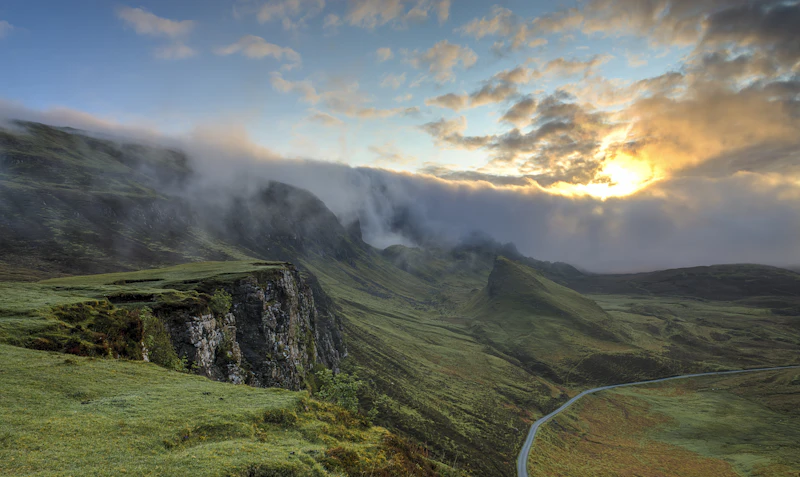
Introduction: The Global Appeal of High-Altitude Landscapes
Mountains have long captivated the human spirit, serving as both physical challenges and spiritual landmarks. According to the United Nations Food and Agriculture Organization, mountains cover approximately 27% of the Earth's land surface and are home to nearly 15% of the global population. This guide explores the most visually striking ranges, prioritizing geological significance and accessibility for experienced travelers.

The Himalayas: Asia's Crown Jewel
Spanning five countries—Bhutan, China, India, Nepal, and Pakistan—the Himalayas contain all 14 of the world's 'eight-thousanders'. Travelers often begin their journey in Nepal. According to the Nepal Ministry of Culture, Tourism and Civil Aviation, the Everest Region remains the most visited high-altitude destination in the country. Visitors should note that altitude sickness is a genuine risk; acclimatization schedules are non-negotiable.
Key Destinations
- Everest Base Camp (Nepal): A high-altitude trek requiring significant physical preparation.
- Annapurna Circuit (Nepal): Known for diverse ecological zones.
- Ladakh (India): Often called 'Little Tibet', offering high-desert landscapes.

The Andes: South America's Continental Spine
As the longest continental mountain range in the world, the Andes stretch through seven South American nations. The UNESCO World Heritage Centre highlights the range's unique biodiversity and cultural history, particularly in the Inca heartlands. The Chilean and Argentine Patagonia regions are particularly noted for their glacial lakes and serrated granite peaks.
Comparison: Himalayas vs. Andes
| Category | Himalayas | Andes | Winner |
|---|---|---|---|
| Accommodation | Teahouses | Eco-lodges/Camping | Himalayas |
| Public Transport | Limited | Moderate | Andes |
| Safety | High altitude risk | Variable | Andes |
| Solo Travelers | Common | Common | Both |
Safety and Preparation
Mountain travel requires rigorous planning. Travelers are advised to consult the World Health Organization regarding altitude illness prevention. Always verify weather conditions via local meteorological services before ascending above 2,500 meters.
Internal Resources
Explore more: Himalayas itinerary, Nepal budget guide, Patagonia travel tips, Solo trekking safety, High altitude gear list, Andes transport map, Mountain photography guide, Best time to trek, Mountain wellness, Gear rental hubs.
Article Methodology & Sources
This article was researched using data from the United Nations, the Nepal Ministry of Tourism, and UNESCO. All recommendations are based on standard mountaineering safety protocols and official tourist board documentation.
Editorial Methodology & Trust
Last Updated: July 2, 2026
Every Shaivio guide is created through editorial research using publicly available information from official tourism authorities, transportation providers, government resources, and other reliable references where applicable. Our editors review and update content regularly to improve accuracy and usefulness. Shaivio does not accept paid placements or sponsored rankings in editorial content. Because travel information can change, we recommend verifying critical details with the relevant official source before traveling.


