




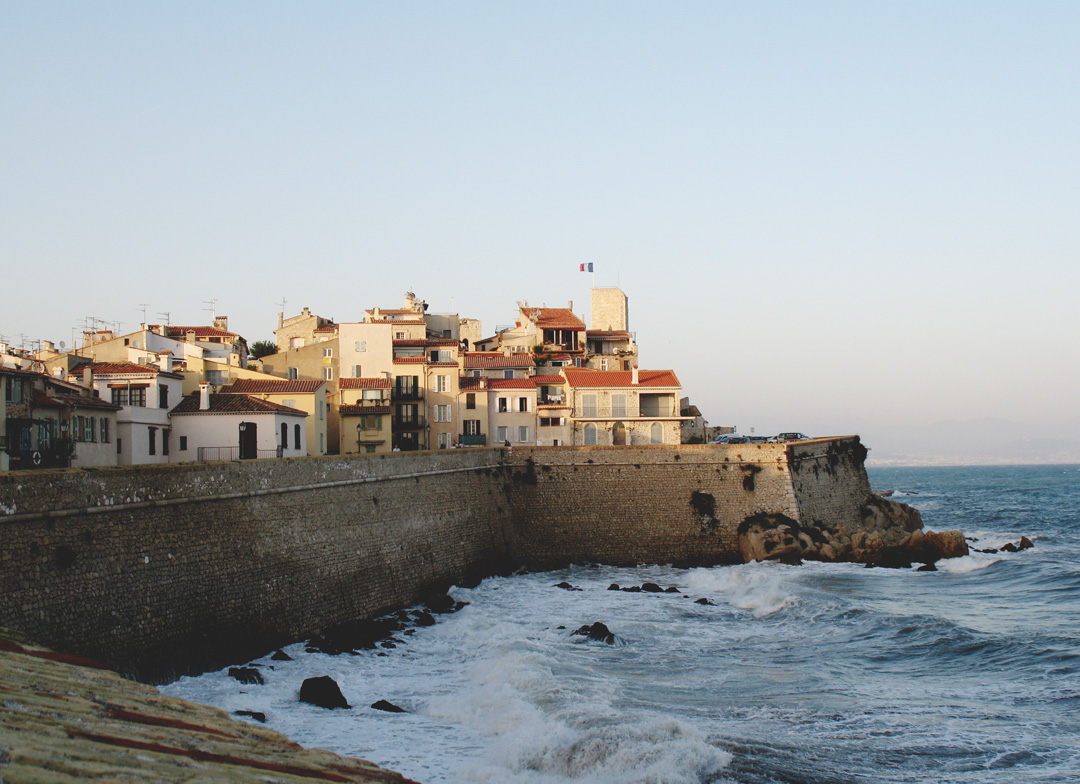
Ancient stone walls framing the shimmering Mediterranean.
Antibes: The Complete Itinerary
Culinary Reality
Survival Protocols
- The Train Trap:The TER train stops at Antibes station, which is a convenient ten-minute walk from the Old Town. Do not confuse this with the Juan-les-Pins station, which serves the more nightlife-heavy, modern side of the peninsula. Always validate your paper ticket in the yellow machines before boarding.
- Footwear Wisdom:The cobblestone streets of Le Vieil Antibes are notoriously uneven and treacherous for high heels. Stick to sturdy leather sandals or flat-soled espadrilles to navigate the narrow alleys safely. Your ankles will thank you after a long afternoon of exploring the ramparts.
EXPERIENCES NOT TO MISS
Picasso Museum
Housed in the Château Grimaldi, this museum holds the spirit of 1946. Tickets cost approximately €8 and provide access to stunning views of the ramparts. The collection features ceramics and canvases created during his short but prolific residency. Visit early on a weekday to avoid the school tour groups that crowd the halls.
Le Sentier du Littoral
This coastal path wraps around the Cap d'Antibes and offers the most dramatic views of the Mediterranean. Access the trail near Plage de la Garoupe for a two-hour hike across limestone cliffs. Wear athletic shoes as the path is rocky and exposed to the midday sun. Pack at least one liter of water, as there are no shops once you leave the trailhead.
Absinthe Museum
Located in a basement cellar on Rue de la Touraque, this eccentric spot explores the history of the 'Green Fairy.' A tasting costs around €10 and includes the traditional drip preparation. The atmosphere is dim, authentic, and delightfully unpolished compared to the glitz of nearby Cannes. It is the perfect place to hide away during a sudden afternoon shower.
Port Vauban
Witness the world's most impressive superyachts docked against the backdrop of ancient stone fortifications. Walk along the Quai des Milliardaires to marvel at vessels worth hundreds of millions of euros. It is free to stroll the perimeter and observe the intricate maintenance work performed by the crews. Go at sunset when the masts are silhouetted against the pink and orange sky.
Observe the rusted iron door knockers on Rue du Bas Castelet; they are shaped like lions, worn smooth by centuries of hands reaching for the latch. High above, the window shutters are painted in fading shades of ochre and sage, a palette dictated by the limestone dust of the region. Look closely at the mortar between the granite blocks of the 16th-century ramparts to see where the sea salt has crystallized into tiny, white geometric patterns. These are the small, quiet markers of a city that has existed long before it became a destination. A single terracotta pot of vibrant purple bougainvillea is often the only splash of color in these narrow, sun-shielded passages.
For a comprehensive overview, focus your attention on the Old Town, or Le Vieil Antibes. This area holds the historic market, the Picasso Museum, and the best local bakeries. Spend your mornings wandering the labyrinthine alleys before the heat of the day peaks. It is a compact, walkable zone where getting lost is the intended objective. Keep your map in your pocket and trust the scent of baking bread to guide you to the nearest boulangerie.
Three full days are sufficient to capture the rhythm of the city. Dedicate your first day to the Old Town and the market, the second to the coastal trails of Cap d’Antibes, and the third to the beaches or the nearby village of Biot. This pacing allows you to avoid burnout while leaving space for an unplanned two-hour lunch. If you try to cram in every nearby town, you will miss the serenity of the Antibes waterfront.
Reaching the city is seamless via the Nice Côte d’Azur Airport, which sits just 15 kilometers away. You can catch the 200 bus, though the TER train is significantly more reliable and comfortable. The train ride takes roughly 25 minutes and costs about €5 per ticket. Once you arrive at the Antibes station, a simple ten-minute walk brings you directly into the historic center. Taxis exist, but they are unnecessary unless you have excessive luggage.
On your final evening, climb to the top of the ramparts and look out toward the Alps. You will likely taste the sharp, briny sweetness of a fresh sea urchin platter enjoyed at a sidewalk table. There is a lingering scent of dried lavender and old stone that defines the atmosphere here. It is the smell of a place that does not need to shout to be remembered.
SUGGESTED ITINERARIES
The Classic Market Day
Start with a coffee at Le Ruban Bleu on the market square at 9:00 AM. Browse the local olive oils and dried herbs at the Marché Provençal for an hour. Grab a slice of warm socca from a street vendor for under €4. Spend the afternoon reading in the shade of the Jardin Thuret.
Coastal Hiking Escape
Catch a taxi to the Plage de la Garoupe to begin your trek at 8:30 AM. Follow the blue markers along the Sentier du Littoral for a stunning cliffside journey. Pack a light picnic with cheese and baguette bought in the Old Town. Return to the port by 2:00 PM for a cold drink at a harbor-side cafe.
Art & History Loop
Dedicate your morning to the Picasso Museum and the adjacent cathedral. Buy a ticket to the Peynet Museum to see local cartooning history for under €5. Walk the exterior of the Fort Carré to admire the star-shaped military architecture. Finish with a late lunch at a bistro on Rue de la République.
Afternoon Yacht Gazing
Walk the length of the Quai des Milliardaires starting at 4:00 PM. Notice the diverse flags representing the home ports of the world's largest yachts. Stop at a small bar near the harbor for a glass of local Provence rosé. Watch the sky turn violet over the fortress walls until the streetlights flicker on.