




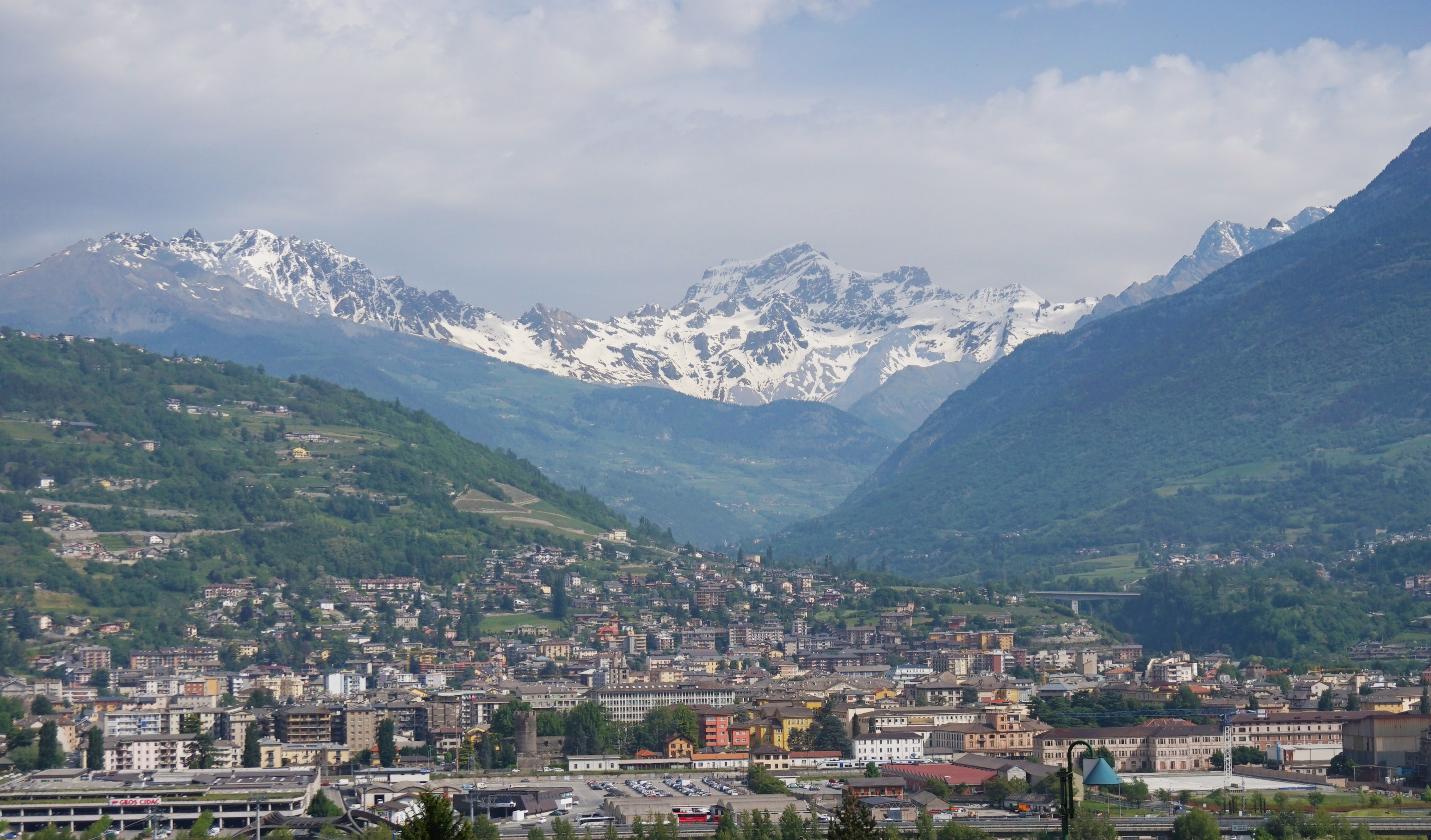
Roman ruins cradled by silent snow-capped peaks.
Luxury Travel in Aosta
TOP ATTRACTIONS
Teatro Romano
This towering south wall of a Roman theater stands as the city's most iconic silhouette against the mountains. Entry costs approximately 7 euros, granting access to a well-preserved complex near the Porta Praetoria. Visit in the late afternoon to see the stone glow gold under the fading light. It is arguably the most impressive Roman structure north of Rome itself.
Cattedrale di Aosta
Located on Piazza Giovanni XXIII, this cathedral features stunning Romanesque frescoes and mosaic floors from the 12th century. The interior is free to enter, though a donation for the restoration fund is encouraged. Keep an eye out for the hidden crypt that contains remnants of the earlier Paleochristian basilica. It is a quiet, contemplative space that grounds the busy energy of the city center.
Arco di Augusto
Crossing the Buthier river, this triumphal arch was erected in 25 BC to celebrate the Roman victory over the Salassi tribe. There is no admission fee as it stands in an open pedestrian area at the end of Via Sant'Anselmo. It serves as a majestic gateway for those walking into the historic center from the east. The structure remains remarkably sturdy despite two millennia of alpine weathering.
Pila Cable Car
For a swift transition from ancient streets to high-altitude views, take the Aosta-Pila gondola located near the train station. A round-trip ticket costs roughly 16 euros and whisks you up 2,000 meters in less than 20 minutes. Once at the summit, you can access kilometers of hiking trails or simply enjoy a lunch at a high-altitude refuge. The contrast between the city's Roman grid and the jagged peaks above is breathtaking.
At 3:00 AM, Aosta is a study in profound stillness, broken only by the occasional distant rumble of a snowplow during the colder months. The heavy iron shutters of the local bakeries on Via Porta Praetoria remain firmly closed, guarding the dormant warmth within. You might hear the muffled echo of your own footsteps on the ancient stone paving, a sound that feels magnified by the sheer granite walls of the surrounding mountains. The wind whistles faintly through the narrow gaps of the Roman city walls, whispering secrets of centuries passed. It is a time when the city feels like a private museum, untouched by the day's bustling commerce.
First-timers should know that the city is best navigated on foot, as the entire Roman historic core is a designated pedestrian zone. Most of the action happens along the main thoroughfare, Via Croix de Ville and Via Porta Praetoria. Do not be intimidated by the French-Italian bilingualism; 'Bonjour' and 'Buongiorno' are used interchangeably with ease. Make sure to validate your transit tickets before boarding regional buses to avoid hefty spot fines. Finally, always keep a light jacket handy, as temperatures can plummet rapidly once the sun dips behind the high mountain ridges.
The best time to visit is during the shoulder months of June and September, when the trails are clear and the crowds are manageable. July and August bring intense heat to the valley floor, making city exploration physically demanding. Winter is exclusively for those interested in the Pila ski resort, which turns the city into a basecamp for international enthusiasts. Spring brings spectacular wildflower blooms, though the higher mountain passes may remain closed due to snow. For the perfect balance of culture and nature, aim for the third week of September.
Aosta is surprisingly accessible for a historic mountain town, with most major sites featuring flat, wide cobblestone paths. The local transit buses are modern and equipped with ramps for wheelchair access, connecting the central station to the outskirts. However, some of the older, smaller side streets near the Roman theater have uneven surfaces that require caution. Several high-end hotels, such as the HB Aosta, offer fully accessible rooms and elevator access to street levels. Always check the specific grade of historical sites before visiting, as some older monuments retain original, steep stone stairs.
As the mountain climate continues to fluctuate, the city faces a crucial challenge in balancing heritage preservation with modern sustainability. The influx of seasonal sports tourism keeps the local economy buoyant, yet it places immense pressure on infrastructure that dates back to the Roman Empire. Long-term residents are working to define a future that prioritizes quality of life over sheer visitor volume. Will Aosta successfully maintain its quiet dignity as the rest of the world increasingly seeks out its secret valleys in the coming decade?
Culinary Reality
Survival Protocols
- The Valley Floor Trap:Do not mistake the mild temperatures in the city for the climate on the surrounding peaks. Always carry an extra layer, as the temperature drops significantly as you gain elevation. Sudden afternoon thunderstorms are common, even in the height of summer.
- Respect the Siesta:Many smaller, family-owned shops close between 1:00 PM and 4:00 PM. Plan your shopping and errands for the morning or early evening to avoid disappointment. This is a local cultural rhythm that remains strictly observed.
SHOPPING GUIDE
Les Tisserands
This artisan shop specializes in traditional hemp and wool textiles hand-woven in the Aosta Valley. Prices range from 30 euros for small decorative items to over 200 euros for intricate blankets. It is located on Via Porta Praetoria, right in the heart of the historic center. The craftsmanship represents centuries of alpine domestic tradition.
Mercato Coperto
The covered market on Piazza Cavalieri di Vittorio Veneto is the place to buy local honey, cured meats, and regional wines. Prices are fair and offer a direct line to the valley's farmers and producers. It is open every morning except Sunday, offering the freshest selection. Pick up a bottle of Torrette wine for a true local experience.
Artisan Wood Carvings
Look for shops near the cathedral that feature traditional 'grolla' friendship cups carved from walnut wood. Prices vary by size and detail, usually starting at 50 euros for authentic, hand-carved pieces. These are quintessential Aostan souvenirs that symbolize hospitality. Ensure you verify the 'Made in Valle d'Aosta' stamp to avoid mass-produced imitations.
Via Croix de Ville Boutiques
This street hosts a curated selection of modern fashion boutiques mixed with classic mountain attire shops. Expect to find high-end Italian brands alongside durable, technical gear for hiking and skiing. It is the best area for a balanced shopping spree that combines style with utility. Prices are reflective of the premium quality of the materials used.