




Where ancient stone meets the sapphire sea
CARTHAGE
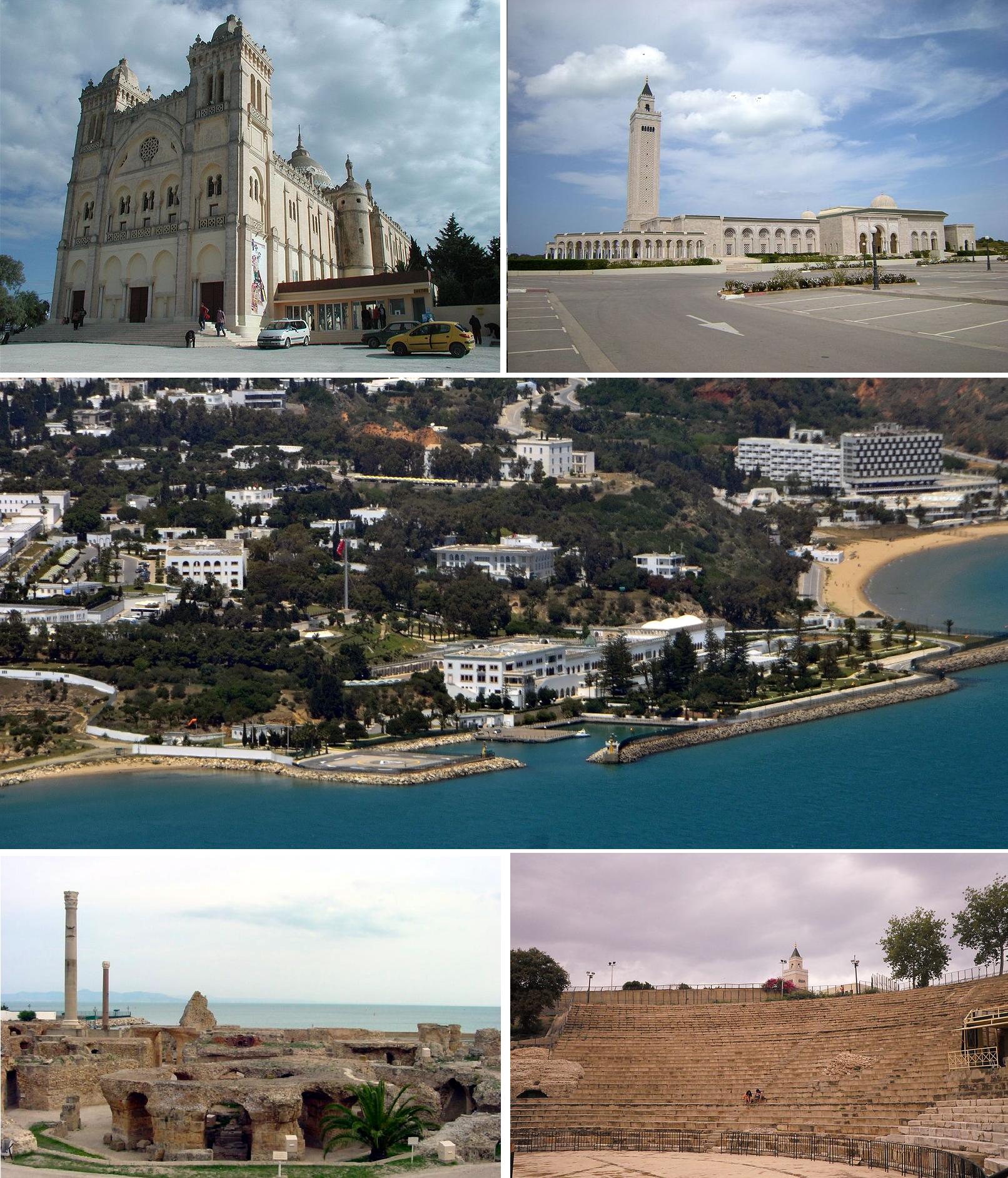
The morning light hits the Antonine Baths, turning the weathered Roman limestone into soft, honey-colored velvet against the deep indigo of the Gulf of Tunis. Fishermen in small wooden boats navigate the shallows near the Punic Ports, their silhouettes sharp against the rising sun. A light breeze carries the scent of salt spray and blooming bougainvillea through the quiet residential streets of the Carthage suburb. The sound of distant traffic from the TGM rail line provides a low, rhythmic hum beneath the morning birdsong. As the shadows retreat, the sprawling layout of the ancient metropolis reveals itself in layers of excavated rubble and manicured garden hedges. It is a quiet, orderly awakening for a landscape that has seen the rise and fall of civilizations.
To reach Carthage from Tunis-Carthage International Airport, the most efficient method is a private taxi, which costs roughly 15 to 20 TND. Alternatively, travelers can take a bus into the city center and transfer to the TGM light rail. The TGM train runs frequently from the Tunis Marine station to the Carthage Hannibal stop. Ensure you have small denominations of Tunisian Dinar as drivers rarely carry large change. The ride along the coast offers stunning vistas of the Mediterranean, particularly if you secure a window seat on the right side of the carriage.
Carthage is remarkably accessible for families, provided you avoid the midday sun between June and August. The Carthage National Museum grounds offer plenty of space for children to roam amidst the statues and fragments. A stroller is manageable at the Antonine Baths, though the uneven terrain near the Punic Ports requires sturdy walking shoes for everyone. Pack high-SPF sunscreen and plenty of bottled water, as shade can be scarce in the open archaeological zones. For a treat, stop at a local café on Avenue Bourguiba for fresh mint tea and honey-drenched bambalouni donuts.
Carthage is essentially an open-air museum integrated into a wealthy, quiet residential suburb of Tunis. The site is divided into several disjointed zones, including the Punic Ports, the Roman Villas, and the top-tier baths, all requiring a unified entry ticket. You should dedicate at least one full day to see the main ruins, utilizing the TGM train to jump between stops like Carthage Hannibal and Carthage Amilcar. Many travelers make the mistake of trying to walk between all sites; however, the heat and distances make the train or a local taxi much wiser. English is widely understood, but French remains the primary language for navigating signs and purchasing tickets.
The ruins sit comfortably nestled between high-walled private villas, blurring the line between history and modern real estate. Preservation efforts struggle to keep pace with the encroaching urban sprawl of the greater Tunis area. You will find that the ancient harbor is now little more than a tranquil, stagnant pool used by local rowing clubs. Stone fragments are often used as garden ornaments in the front yards of neighboring mansions.
TOP ATTRACTIONS
The Antonine Baths
These are the largest Roman baths built outside of Rome, featuring massive subterranean levels accessible to the public. Entry is included in the standard 12 TND national heritage ticket. Located near the coast, they provide the best perspective on the scale of ancient imperial architecture. Visit early in the morning to beat the tour buses arriving from the cruise ships.
The Punic Ports
Once the secret heart of the Carthaginian navy, these circular harbors are now peaceful lagoons surrounded by private homes. There is no major admission fee, as they are partially visible from the street level near the Rue Hannibal. It is a quiet spot for reflection, though very little actual maritime infrastructure remains. Use this area as a starting point for a coastal walk toward the Sidi Bou Said neighborhood.
Carthage National Museum
Perched on Byrsa Hill, this museum holds the most significant artifacts unearthed from the region, including Punic sarcophagi and mosaics. The entry fee is included in your all-access heritage pass. The view from the top of the hill offers a panoramic look at the Gulf of Tunis and the distant city skyline. Spend at least an hour inside to understand the complex layers of Phoenician, Roman, and Byzantine history.
Roman Villas (Odeon District)
This site offers a rare glimpse into the residential life of the Roman elite, with well-preserved mosaic floors and courtyard layouts. It is located a short walk from the Carthage Hannibal train station. The entrance is covered by the standard heritage ticket, which should be kept safe to show at every checkpoint. These villas are shaded by pine trees, making them the most comfortable stop during a hot afternoon.
Culinary Reality
Survival Protocols
- Unified Heritage Ticket:Purchase a single 'Pass Visite' for 12 TND which grants entry to all state-run archaeological sites. Do not lose this paper ticket, as you must present it at every individual site entrance. If you lose it, you will be required to pay the entry fee again.
- Taxi Etiquette:Always insist on using the meter, or 'compteur', to avoid being overcharged. If a driver refuses to turn it on, simply find another vehicle, as there are plenty of taxis available. Never feel pressured to agree to a flat rate suggested by the driver.