




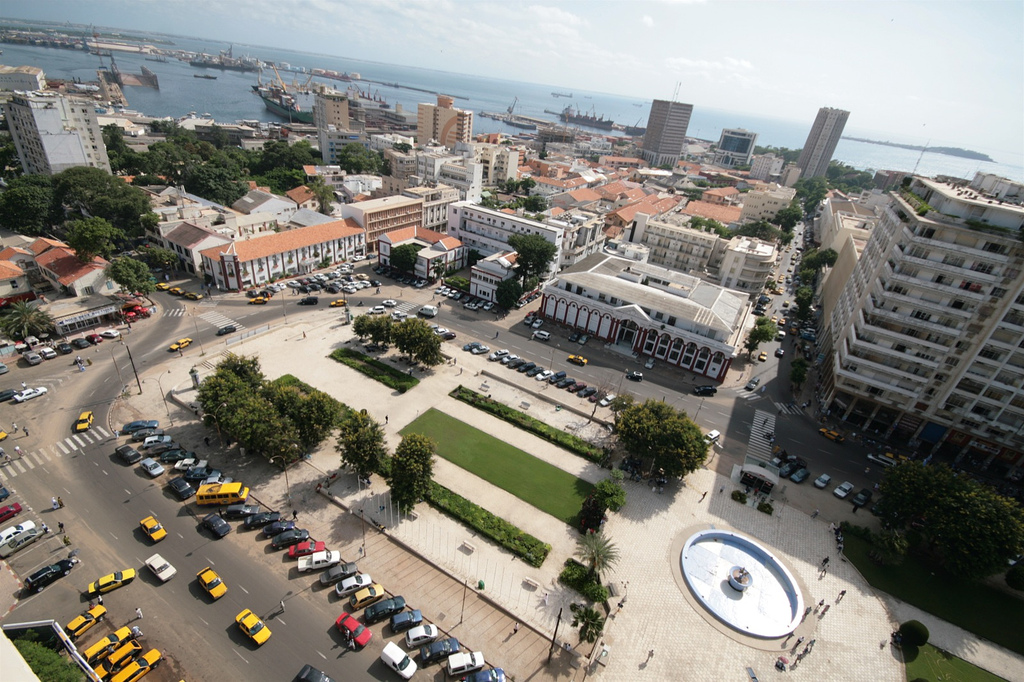
Where the African continent meets the sea.
DAKAR
Culinary Reality
Survival Protocols
- Transportation Hacks:Download the Yango app for reliable, pre-priced taxi rides to avoid the exhausting negotiation process. Always carry small denominations of CFA, as drivers rarely have change for large bills. Avoid travel during rush hour on the VDN highway unless you enjoy sitting in gridlock for hours.
- The Etiquette of Teranga:Teranga is the Senegalese concept of hospitality, which dictates that you should always greet people with 'Salaam Alaikum' before asking a question. If you are invited into a home, expect to share a communal bowl. Never decline an offer of tea, as it is a vital social ritual.
In the early 16th century, Portuguese navigators first anchored near the Cap-Vert peninsula, marking the arrival of trans-Atlantic trade routes that would define the region's trajectory. This era solidified the peninsula as a strategic gateway between continents. The architectural remnants of colonial depots still line the coast, yet the social fabric remains deeply rooted in older Wolof and Lebou traditions. These historical layers dictate the city's current layout, where modern avenues intersect with ancient fishing village boundaries. It is a place where five centuries of global contact have not erased, but rather hardened, the local identity.
Navigating Dakar requires patience, particularly when moving between the commercial Plateau district and the residential neighborhoods like Almadies. Stick to the coastal corniche road for the best views, but be prepared for heavy traffic near the Soumbedioune market. Hire a private driver for a day if you want to explore the outskirts; it usually costs around 30,000 CFA. Always keep a portable power bank, as the energy grid can fluctuate during peak heat hours. The best time to visit is from November to February when the Atlantic breeze keeps the humidity manageable.
For couples, the city offers a romantic intensity that is best experienced at the sunset cliffside cafes of Les Mamelles. Spend an evening walking the pristine beaches of Ngor Island, where a pirogue boat ride costs only 500 CFA. Book a dinner at Le Lagon 1 to dine on stilts directly above the Atlantic waves for a memorable anniversary experience. Avoid the tourist traps near the main port and opt for intimate jazz bars like Just4U in Gueule Tapée. Holding hands while navigating the lively Marché Kermel at dusk remains a quintessential Dakar memory.
Accessibility in Dakar remains a significant challenge, with uneven sidewalks and limited ramp infrastructure in many older public buildings. Most newer hotels in the Plateau and Almadies districts, such as the Pullman or the Terrou-Bi, provide standard wheelchair access and elevators. Navigating the city via public bus is not recommended for those with mobility issues due to crowding and steep boarding heights. Private car hires are the only viable way to traverse the city comfortably if you have specific physical needs. Always verify with your hotel concierge about the accessibility of specific museums or galleries before you depart.
Dakar is a city that vibrates with a unique, rhythmic pulse that defies simple explanation. You will find beauty in the chaos of the morning fish markets and the quiet dignity of the evening prayers. As the sun dips below the horizon, the air fills with the sharp, salty tang of the ocean mixed with the sweet, lingering scent of roasting peanuts and incense. It is a sensory mosaic that stays in your mind long after you have departed the coast.
TOP ATTRACTIONS
Gorée Island
Take the ferry from the Gare Maritime for 5,200 CFA round-trip to reach this car-free island. Walk through the House of Slaves to pay your respects at a site of immense historical gravity. Spend your afternoon wandering the pastel-colored colonial alleys filled with bougainvillea. It is quiet, haunting, and essential for understanding the Atlantic narrative.
Musée des Civilisations Noires
Located on Place du Souvenir, this world-class museum features expansive galleries showcasing African art and history. The entry fee is roughly 3,000 CFA, and the architecture itself is a marvel of modern design. Spend at least three hours here to truly appreciate the depth of the exhibits. It is climate-controlled, offering a perfect refuge from the midday sun.
Marché Kermel
This historic market building, with its beautiful neo-Moorish architecture, is the best place for local crafts and fresh produce. Prices are negotiable, so engage with the vendors politely but firmly. Pick up some local spices, shea butter, or hand-woven textiles as authentic souvenirs. It sits in the heart of the Plateau district, surrounded by cafes.
African Renaissance Monument
Standing taller than the Statue of Liberty, this bronze monument sits atop one of the Collines des Mamelles. You can take an elevator to the top for a fee of 6,500 CFA, which grants you a panoramic view of the entire peninsula. It is an imposing symbol of modern Senegal and a great photo opportunity. Visit just before sunset to watch the city lights begin to flicker.
EXPERIENCES NOT TO MISS
Surfing at Ngor Rights
Dakar is a world-class surfing destination, and Ngor Island offers some of the most consistent breaks in West Africa. Rent a board and book a local instructor for about 15,000 CFA for a morning session. The water is refreshing, and the vibe among the local surf community is incredibly welcoming. It is a fantastic way to engage with the city's coastal energy.
Soumbedioune Night Market
Visit this market after dark to see the local fishing boats returning with their daily catch. You can purchase fresh fish and have it grilled immediately at the adjacent stalls for a small fee. It is noisy, pungent, and utterly authentic, far from the polished tourist trails. Bring cash and be prepared for a truly immersive, local culinary experience.
Jazz at Just4U
This legendary venue in the Gueule Tapée neighborhood is the place to hear the best Senegalese fusion jazz. Entrance fees vary by performance but typically hover around 5,000 CFA. The atmosphere is laid back, often featuring talented local musicians who blend traditional kora sounds with modern bass lines. Order a cold Gazelle beer and settle in for a long, melodic night.
Lake Retba (Lac Rose)
Located about an hour outside the city, this hyper-saline lake turns a brilliant pink under the right sunlight conditions. Hire a guide to take you on a boat across the lake to see the salt harvesters at work. The cost for a day trip from Dakar usually runs around 40,000 CFA. It is a surreal, unforgettable landscape that looks like nowhere else on earth.