




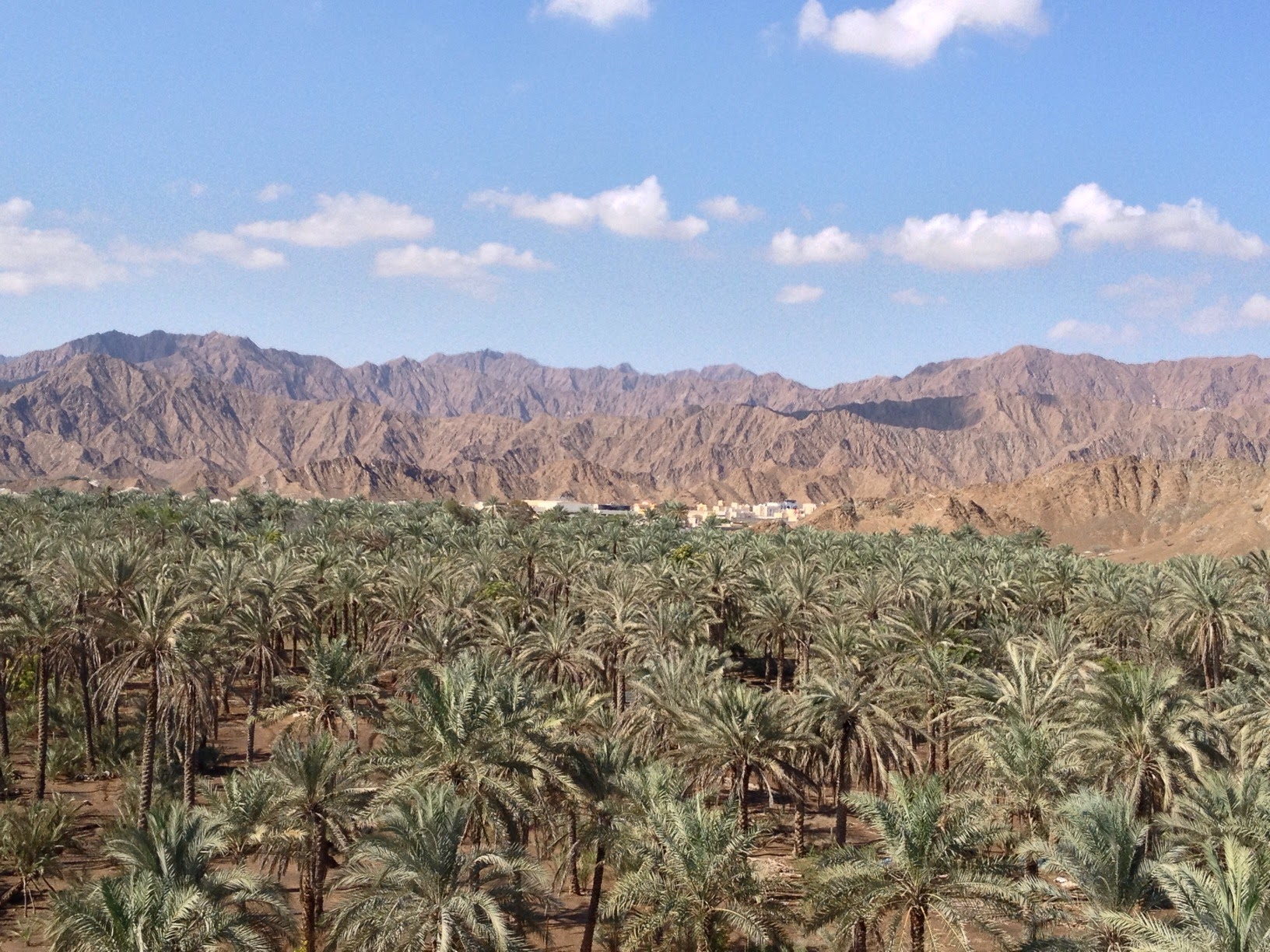
Where rugged mountains meet the turquoise sea
FUJAIRAH
Culinary Reality
Survival Protocols
- Navigating the Roads:Renting a car is essential, as public transportation within the city is limited to infrequent buses and taxis. Drive carefully on the E89 and E99 highways, as heavy truck traffic from the port can be intimidating. Always keep a digital map handy, as signage can be sparse once you head into the mountains.
- Cultural Etiquette:Fujairah is more conservative than Dubai, so dress modestly by covering shoulders and knees in public areas. Avoid public displays of affection and always ask for permission before taking photographs of locals or government buildings. Respecting these norms ensures a much warmer welcome from the community.
TOP ATTRACTIONS
Fujairah Fort
Perched atop a hill in the old town, this 17th-century mud-brick fortress is the city's crown jewel. Entry is completely free, and the climb offers a sweeping panorama of the surrounding palm groves and modern skyline. Plan your visit for the late afternoon to catch the sunset hitting the restored towers. It is best accessed via Al Souq Road, just minutes from the central mosque.
Al Badiyah Mosque
Located about 35 kilometers north of the city center, this is the oldest mosque in the UAE. The structure is built from stone and mud-brick with a unique four-dome design that defies conventional architecture. Admission is free, though modest attire is mandatory for both men and women. It is a quiet, contemplative site that remains active for local prayers.
Snoopy Island
Named for its resemblance to the cartoon dog, this island off the coast of Al Aqah is a premier snorkeling spot. You can rent gear from the Sandy Beach Resort for roughly 50 AED if you are not a hotel guest. The waters are teeming with reef sharks and turtles, making it a must for underwater photography. Reach it by driving approximately 45 minutes north via the E99 coastal road.
Wadi Wurayah
This protected UNESCO Biosphere Reserve offers a rare glimpse of freshwater waterfalls in the desert. You will need a 4x4 vehicle to navigate the rugged terrain leading to the trailhead. Always check with the local Fujairah Environment Authority regarding seasonal access permits before departing. Pack plenty of water, as there are no facilities once you leave the main paved roads.
SHOPPING GUIDE
Fujairah Friday Market
Actually open seven days a week, this market sits between Fujairah and Masafi. It is the best place to buy hand-woven carpets and inexpensive clay pottery. Expect to haggle over prices, as the first offer is rarely the final one. Grab a bag of locally grown dates while you are browsing the stalls.
Century Mall
Located near the port area, this is the go-to spot for modern retail needs and climate-controlled comfort. It houses a large Carrefour supermarket which is perfect for stocking up on supplies before a mountain excursion. Prices for clothing and electronics are standard for the UAE region. It features a food court that provides a decent respite from the midday heat.
City Centre Fujairah
This is the largest mall in the emirate, situated right on the main E89 artery. It serves as a hub for international brands, a cinema, and various mid-range dining chains. It is the most convenient place to exchange currency or pick up forgotten travel essentials. Open daily until late, it is the center of the local social scene.
Old Souq
Tucked away near the historic fort area, the Old Souq offers a more authentic, gritty shopping experience. You will find small tailors, gold shops, and spice merchants here. Prices are significantly lower than in the malls, but expect a more rustic shopping environment. It is the perfect place to find unique, non-branded souvenirs.
Many travelers dismiss Fujairah as merely a transit point for industrial shipping or a quick detour from Dubai. This perception is a mistake that obscures the city's profound connection to the Hajar Mountains and the Arabian Sea. Unlike its more opulent neighbors, Fujairah offers a grounded, mountainous landscape that feels centuries removed from glass skyscrapers. It is a place where archaeology meets industry, and the pace of life slows down significantly. Ignoring this emirate means missing the true, rugged heart of the UAE coastline.
Solo travelers will find Fujairah exceptionally safe, though you must be comfortable with your own company. Walking alone in the residential areas at night is perfectly fine, but keep your phone charged for ride-hailing apps. Use the Careem app to summon taxis easily, as they are reliable and metered. Stay in hotels along the Corniche to remain within walking distance of local coffee shops. Engaging with locals at the harbor can lead to unexpected invitations for traditional Arabic coffee.
The best time to visit is undoubtedly between November and March, when the humidity wanes and the air turns crisp. During these months, you can hike the wadis without the sweltering heat of the summer sun. Avoid mid-summer, specifically July and August, when temperatures routinely exceed 45 degrees Celsius. If you choose to visit in winter, pack a light jacket for the cooler mountain evenings. This window provides the best conditions for snorkeling and exploring the historical forts.
Three days is the ideal duration to experience the perfect mix of relaxation and adventure. Spend your first day acclimating to the city and exploring the historic fort and museum. Dedicate the second day to a road trip up the coast toward the Al Aqah region for diving and beaches. Use your final day for a mountain hike in the wadis or a visit to the rural farming villages. This itinerary allows you to see the highlights without rushing through the landscape.
As you leave the city, the jagged peaks of the Hajar Mountains seem to pull back like a closing curtain. The turquoise waters of the Gulf of Oman disappear, replaced by the encroaching golden sands of the desert interior. From the window of your vehicle, the silhouette of the old fort shrinks until it is just another speck against the vast, rocky terrain. Fujairah recedes into the heat haze, leaving behind a silence that stays with you long after the mountains have vanished.