




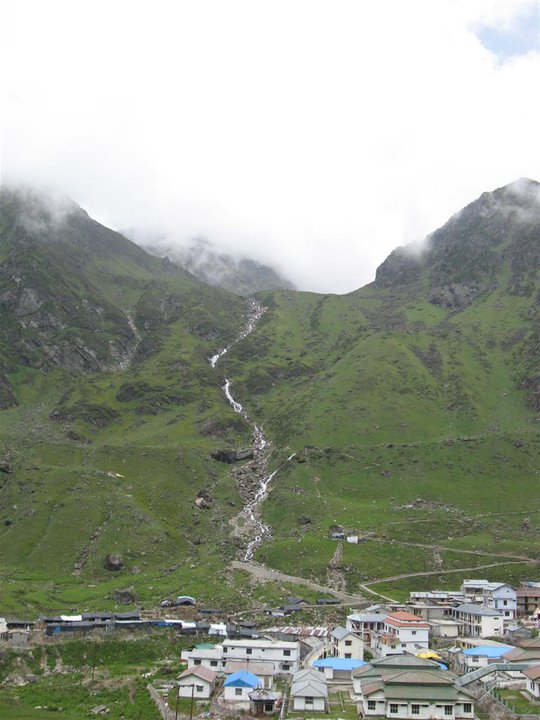
Where ancient stone meets the eternal snow.
KEDARNATH
Culinary Reality
Survival Protocols
- The Altitude Reality:Symptoms of Acute Mountain Sickness (AMS) can manifest as early as Rambara. If you feel severe nausea or a splitting headache, descend immediately rather than trying to power through. Acclimatization at Sonprayag for at least one night is strongly recommended.
- Gear and Footwear:Invest in broken-in trekking shoes with high-traction soles, as the stone path becomes treacherous when mist settles. Carry a lightweight, windproof jacket even in summer, as temperatures plummet quickly after sunset. A sturdy wooden walking stick, available for 50 INR in Gaurikund, is vital for stabilizing your gait.
SHOPPING GUIDE
Rudraksha Malas
Authentic beads are sold by local vendors near the temple entrance. Expect to pay between 500 and 2,000 INR depending on the mukhi (face) of the bead. Always inspect the bead for symmetry and natural weight before finalizing your purchase. Avoid buying expensive jewelry from unlicensed street hawkers.
Religious Copper Artifacts
Small copper vessels and Shiva-themed pendants are popular souvenirs found in the market lanes. Prices start as low as 100 INR for basic items and rise for intricate engravings. Ensure the metal feels heavy and solid, not hollow or flimsy. These items are often blessed at the temple, adding personal value.
Hand-Knit Woolens
Local women sell hand-knit caps and socks at the base camp in Gaurikund. Buying these directly supports the mountain economy, with prices averaging 300 INR. The wool is thick and specifically designed for the biting Himalayan winters. Ask for 'pashmina' blends, but verify the texture for true softness.
Dried Herbs and Teas
Small sachets of Himalayan medicinal herbs are sold in the village corridors. These are often used for traditional teas that aid in digestion and warmth. Prices are nominal, usually around 150 INR per bundle of dried leaves. Check that the packaging is dry and free of moisture damage.
The light in Kedarnath is a sharp, unforgiving white that bleaches the grey schist of the temple walls against the cobalt sky. By late afternoon, it shifts into a bruised, hazy violet that clings to the glaciers flanking the valley. Shadows here are long and cold, cast by peaks that have watched civilizations rise and fall. There is an absolute clarity to the air that makes the colors of prayer flags appear almost neon. It is a harsh, high-contrast landscape where the sun does not warm so much as it illuminates the sheer scale of the mountains.
First-timers must prioritize a medical clearance before attempting the 16km trek. You should book your accommodation through the GMVN (Garhwal Mandal Vikas Nigam) portal months in advance to avoid being stranded. Start your daily movement before 5:00 AM to beat the intense midday UV exposure. Respect the 'no-photography' zones inside the sanctum sanctorum at all times. Always carry a physical map or a downloaded offline GPS track, as mobile connectivity is notoriously spotty.
For solo travelers, the key is joining a larger group or hiring a reputable local guide from Sonprayag. It is significantly safer to share the costs of a mule or helicopter ride if you have an injury. Socializing at the communal dining halls in the guest houses provides security and shared wisdom from veterans. Do not reveal your exact itinerary to strangers; keep your movements flexible based on weather reports. Staying visible in crowded areas prevents the isolation that can become dangerous in high terrain.
Accessibility in this rugged terrain is limited to helicopter services from Phata or Guptkashi, which cost approximately 7,000 INR round-trip. Wheelchair access is nearly non-existent on the primary trekking path due to steep inclines and loose stone. Palanquins (doli) can be hired for those unable to walk, though they must be booked through official union counters at the base. Elderly visitors should carry an oxygen canister, available for rent in town. Always consult a physician about high-altitude precautions before booking your transit.
As the helicopter banks away, the temple becomes a solitary grey dot amidst a sea of jagged peaks. The roar of the rotors drowns out the distant bells as the valley floor drops from view. Soon, the glaciers are replaced by the soft, rolling green foothills of the lower range. The silence of the high mountains persists in your mind long after the landing gear touches the runway.
SUGGESTED ITINERARIES
The Traditional Pilgrim Path
Start your journey in Rishikesh, taking a shared cab to Gaurikund for 800 INR. Spend the night acclimating at a local guest house in Sonprayag. Begin the 16km trek at dawn, reaching the Kedarnath base by afternoon. Spend the following morning in prayers before descending the next day.
The Aerial Express
Fly into Dehradun, then arrange a private taxi to Phata for 4,000 INR. Pre-book your helicopter slot online to avoid the 5-hour wait at the heli-pad. Arrive at the temple complex in under 15 minutes of flight time. This route is ideal for those with limited time or mobility issues.
The Spiritual Trekker’s Circuit
Combine Kedarnath with a visit to the Tungnath temple, the highest Shiva shrine in the world. Use local buses between Chopta and Gaurikund for approximately 200 INR. This 5-day itinerary allows for a slower pace and better acclimatization. Stay in basic, clean homestays to experience authentic mountain hospitality.
The Monsoon Caution Itinerary
If traveling during the shoulder season, plan for extra buffer days due to frequent road washouts. Stick to the state-approved transport services rather than independent jeeps. Keep your luggage waterproofed in heavy-duty plastic bags throughout the journey. Monitor the weather apps daily for landslide warnings on the Rudraprayag-Gaurikund stretch.