




Where medieval flint meets modern creative spirit
NORWICH
EXPERIENCES NOT TO MISS
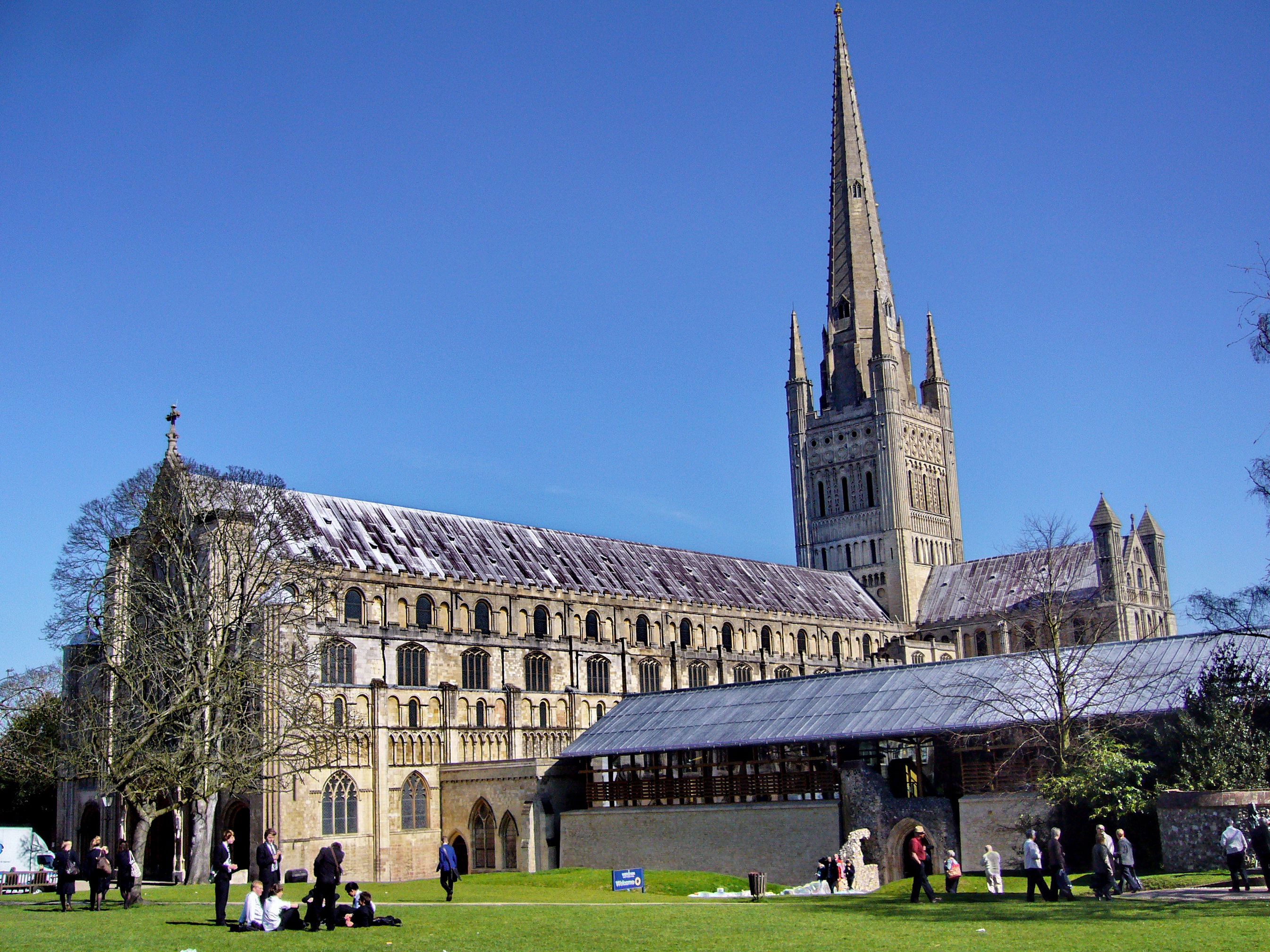
Norwich Cathedral
The soaring spire dominates the skyline and remains one of the finest examples of Romanesque architecture in Europe. Entry is free, though donations are encouraged to maintain the stunning 11th-century cloisters. Walk through the Upper Close to appreciate the quiet majesty of the grounds. It is a peaceful sanctuary tucked away from the bustle of the city center.
The Plantation Garden
Known as the Secret Garden, this three-acre Victorian site off Earlham Road offers a tranquil escape from urban life. Admission is a modest $3, payable via an honesty box at the gate. You will find a neo-Gothic fountain, a medieval-style terrace, and winding paths perfect for quiet reflection. It remains one of the city's best-kept secrets for a morning coffee.
Norwich Market
As one of the oldest and largest outdoor markets in the UK, it features iconic striped roofs dating back to the 1970s. Located in the center of the city, stalls offer everything from authentic Indian street food to local Norfolk cheeses. Most lunches cost between $9and $15. Be sure to try the famous mushy peas at the stall that has been operating for generations.
Elm Hill
This cobblestoned lane is a perfectly preserved slice of Tudor history that survived the WWII bombings. Walk the narrow street to find independent galleries, antique shops, and the famous Briton’s Arms tea house. There is no cost to wander, but the aesthetic value is immense. It is the most photographed spot in the city for good reason.
SHOPPING GUIDE
The Norwich Lanes
This network of medieval alleyways is home to the city’s most eclectic independent boutiques. Wander through Pottergate and St Benedicts Street to find unique vintage clothing and handmade ceramics. You will find that most shops prioritize local craftsmanship over mass-produced goods. It is the antithesis of the high-street shopping mall experience.
Jarrold Department Store
Located on London Street, Jarrold has been an institution in Norwich since 1823. It offers five floors of high-end beauty, fashion, and an exceptional book department focusing on regional authors. While items vary in price, the top-floor restaurant offers a great view of the city for afternoon tea. It is a family-owned legacy that defines the local retail landscape.
Book Hive
Voted one of the best independent bookshops in Britain, this store on London Street focuses on a highly curated selection of literature. The staff offers personalized recommendations that you won't find on major retail algorithms. Prices are standard RRP, but the experience of browsing their vertical layout is priceless. They frequently host local author signings and literary events.
Royal Arcade
Designed by George Skipper in 1899, this Art Nouveau masterpiece features intricate tile work and a glass roof. It connects Gentleman's Walk to Castle Street and houses a variety of specialty shops. It is the place to buy high-end chocolates or bespoke local jewelry. Even if you aren't buying, the architecture alone makes it a mandatory stop.
Culinary Reality
Survival Protocols
- The Pedestrian Zones:Be mindful that many of the lanes have restricted vehicle access, so look out for delivery vans even in narrow alleys. Walking is significantly faster than taking a taxi across the city center. If you must use a taxi, use reputable local firms like ABC Taxis.
- Cashless Culture:Most businesses in Norwich have shifted to card-only payments since 2020. Always carry a contactless card or mobile wallet, as many market stalls no longer accept coins. A small amount of cash is only truly useful for the smallest of charity donations.
Culinary Reality
Survival Protocols
- The Coastal Breeze:Even if the city feels warm, the proximity to the North Sea means sudden, chilly winds are common. Always pack a wind-resistant jacket regardless of the season. Layering is the most effective way to manage the shifting daily temperatures.
- Daylight Variations:In mid-winter, sunset occurs as early as 3:45 PM, which curtails afternoon sightseeing. Plan your outdoor walking tours for the morning hours during December and January. Use the long, light-filled evenings in June for late-night cathedral visits.
In Norwich, you will notice sensible, well-worn boots and sturdy loafers on the feet of the locals. These are the shoes of people who respect the uneven, ancient topography of the city's flint-paved lanes. There is a distinct lack of pretension here, favoring function and durability over the fleeting trends found in capital cities. It tells a story of a population that navigates history with a steady, grounded gait. You won't find the frenetic pace of a metropolis here, but rather a rhythmic, purposeful stride.
Reaching Norwich is best achieved via the Greater Anglia train service from London Liverpool Street, which takes roughly one hour and fifty minutes. Book your tickets in advance to save significant costs, as walk-up fares can exceed $102. If you are flying, Norwich Airport serves regional flights, though most international travelers connect via London. Once at the train station, the city center is a ten-minute walk across the bridge. It is a seamless transition from the high-speed rail network to the heart of the medieval city.
Solo travelers will find Norwich exceptionally welcoming and safe, with a social atmosphere centered around its historic pubs and independent coffee houses. Start your day at a cafe in the Norwich Lanes where communal tables make it easy to strike up a conversation with locals. The city is compact, meaning you can navigate from the Castle to the River Wensum without needing a car. Visit the Forum at night, where the open library and cafe spaces remain a popular, well-lit hub for travelers. It is a rare city where dining alone at a high-end bistro feels like a comfortable, rather than solitary, choice.
First-timers should immediately head to the Norwich Castle Museum to orient themselves with the city's timeline before diving into the maze-like streets. Do not mistake the city for a sleepy provincial town, as it possesses a fiercely creative arts scene and two major universities. Many of the most interesting shops are tucked away behind heavy wooden doors or down non-descript alleys, so do not be afraid to explore. The city is defined by its sheer number of churches and pubs, a legacy of a time when there was one for every day of the year. Keep a physical map handy, as the winding streets often confound GPS signals.
Norwich remains a place where the weight of the past dictates the charm of the present. As the city balances the preservation of its medieval bones with the demands of a modern digital age, its character continues to evolve. Will the pressure to modernize eventually erode the very intimacy that makes these crooked lanes so compelling? What will this cathedral-crowned skyline look like when the next decade of development takes hold?