




Ancient canals whispering secrets of silk empires
SUZHOU
EXPERIENCES NOT TO MISS
The Humble Administrator’s Garden
Arrive at 7:30 AM at 178 Dongbei Street to beat the tour buses. Tickets cost 80 RMB, offering access to the crown jewel of Ming landscape architecture. Wander through the Fragrant Isle and cross the Zigzag Bridge to witness light reflecting off the lotus ponds. It is the purest example of Chinese garden philosophy in the world.
Pingtan Performance at a Teahouse
Visit the teahouses near the Shantang Street canal for an evening of Suzhou Pingtan, a storytelling art form sung in the local dialect. Entrance typically costs 30-50 RMB, which includes tea service in a traditional porcelain cup. The melodic strumming of the pipa perfectly complements the slow-moving boats outside the window. It is an intimate cultural immersion that transcends language barriers.
Silk Embroidery at Zhenhu Town
Take a 40-minute taxi ride to Zhenhu, the center of Su embroidery, where artisans still work on traditional silk frames. You can visit the Su Embroidery Art Museum for free to see pieces that take years to complete. Prices for high-quality handmade scarves start around 300 RMB at local workshops. This is the authentic source of the city's legendary textile fame.
Evening Stroll on Shantang Street
Walk the thousand-year-old stone paths of Shantang Street after sunset when the red lanterns ignite the canal banks. Entry to the street is free, though individual ancestral homes and museums require small tickets around 20 RMB. Purchase a stick of osmanthus cake from a street vendor for 10 RMB for a floral, sweet experience. The contrast of crumbling white-washed walls against the dark water creates a haunting atmosphere.
PHOTOGRAPHY GUIDE
Tiger Hill Pagoda
Position your tripod at the base of the Yunyan Pagoda for a shot that captures its dramatic lean. The best lighting occurs during the 'blue hour' just before the park closes at 5:00 PM. Entry is 70 RMB, and the climb to the top offers a panoramic view of the bonsai nurseries. Capture the juxtaposition of the ancient brick structure against the modern skyline.
The Narrow Lanes of Pingjiang Road
Pingjiang Road is a photographer's dream during the early morning mist, especially near the stone bridges. Focus your lens on the weathered wooden doors and traditional calligraphy signs hanging above doorways. There is no fee to walk these ancient streets, which have remained largely unchanged for centuries. Shoot low to incorporate the reflections of the canal into your composition.
Master of the Nets Garden
This garden is small enough to allow for perfect framing without crowds obstructing your view. It is famous for its night tour, which includes traditional Chinese music and dance performances for 100 RMB. Use a wide-angle lens to capture the intricate wood carvings that reflect in the central courtyard pond. The composition is balanced to maximize the perception of depth in a limited space.
Suzhou Museum Modern Wing
Designed by I.M. Pei, this museum offers a stark, geometric contrast to the city's classical gardens. Use a polarizing filter to capture the interplay of light and shadow on the white granite walls. Entrance is free, but you must reserve a slot on their WeChat mini-program 48 hours in advance. The central pool with its minimalist aesthetic is a masterclass in modern photography.
Culinary Reality
Survival Protocols
- Navigating the Subway:Suzhou’s metro system is incredibly efficient and features English signage at every turn. Use the Alipay app to generate a QR code for seamless turnstile access across all lines. Avoid the 8:00 AM rush hour if you prefer personal space.
- Language Barrier:Keep a copy of your hotel’s address written in Chinese characters on your phone or a printed card. Many taxi drivers do not speak English, and digital translation apps may struggle with local dialect nuances. Always confirm the price or ensure the meter is running before departing.
The humidity hangs heavy over the Grand Canal, thick with the scent of fried eel and damp moss. At 6:00 AM, the local markets are a cacophony of vendors shouting the day’s prices and grandmothers bartering over bundles of fresh bok choy. Bicycles whir past, their bells clanging against the rhythmic slap of oars hitting the black water. You dodge a cart piled high with lotus roots, nearly losing your footing on the slick, uneven cobblestones. It is a world where modernity is merely a thin, shiny lacquer applied to a foundation of ancient stone. The sheer sensory density of the morning is enough to make the city’s quietest corners feel like a sanctuary.
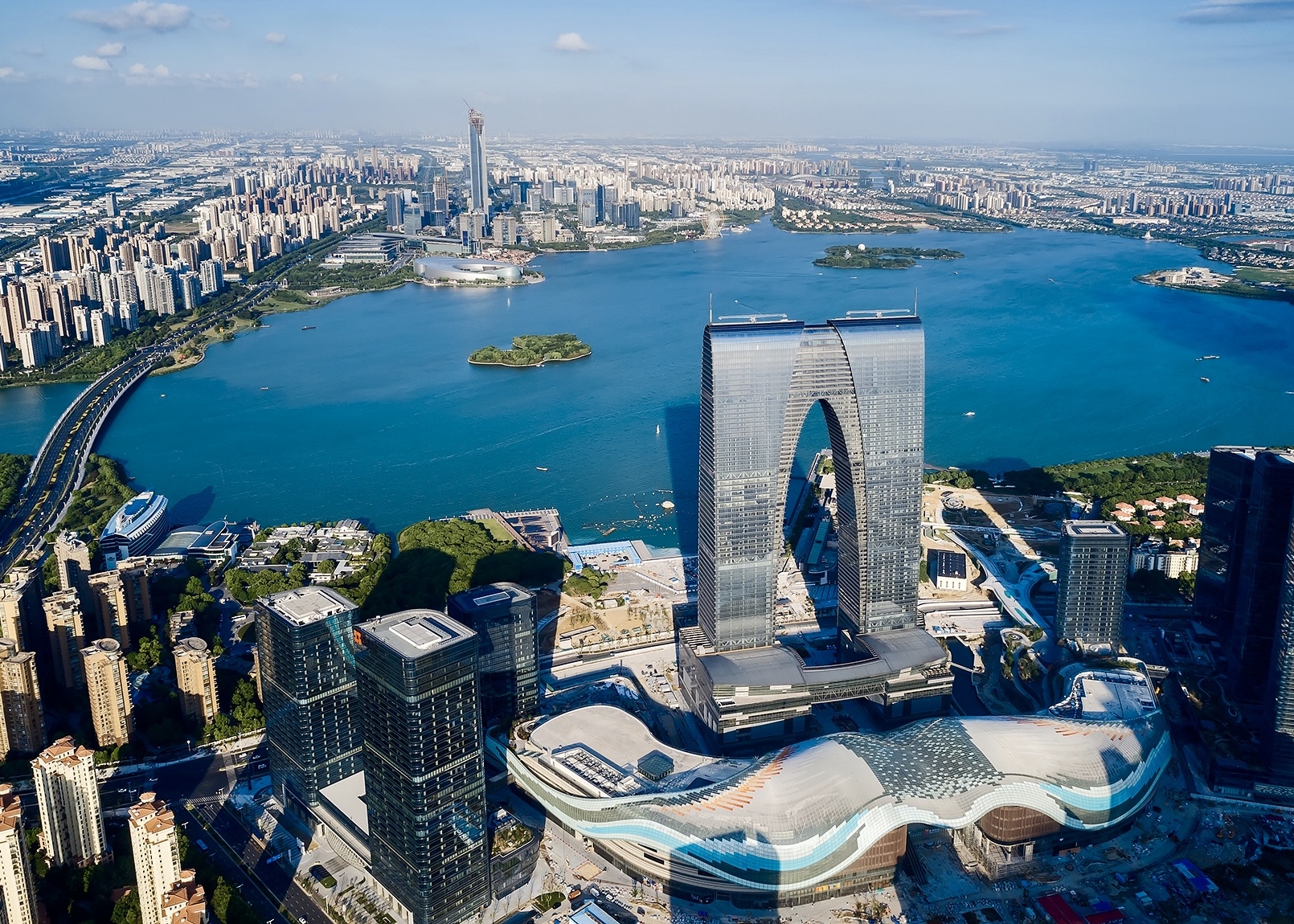
Navigating the older, UNESCO-listed sections of Suzhou presents a challenge for those with mobility issues due to uneven cobblestones and steep bridge stairs. Many of the classical gardens feature narrow, gravel-covered paths that are difficult for wheelchairs to traverse without assistance. However, the modern city center is fully accessible, featuring wide, smooth sidewalks and elevator-equipped metro stations. If you have mobility concerns, focus your itinerary on the well-paved main streets like Guanqian and the modern attractions near the Jinji Lake area. Most major museums are also equipped with ramps and dedicated staff to assist visitors.
Suzhou is fundamentally a city of water and refined aesthetics, located just 100 kilometers west of Shanghai. It serves as the historic capital of the Wu culture, known for its emphasis on silk production, garden design, and delicate culinary arts. Unlike the vertical sprawl of its neighboring metropolis, Suzhou prefers the horizontal, emphasizing expansive gardens that frame nature through windows and doorways. The city’s core is divided by a series of concentric canals, making walking or cycling the most rewarding ways to discover its hidden alleyways. Plan to spend at least three days to truly appreciate the subtlety of its landscape architecture.
The primary reason to visit Suzhou is to witness the peak of Chinese classical aesthetics, which remain remarkably preserved despite rapid urbanization. Every garden here is a living poem, meticulously designed to create a sense of infinite space within a few square meters of land. You come here not to rush through a checklist, but to sit and watch how a single shadow moves across a rockery over the course of an hour. It is a destination that demands patience, rewarding those who can slow down to the pace of the canal boats. It offers a rare window into a high-society lifestyle that has persisted, in spirit if not in form, for centuries.
To conclude your journey, Suzhou is best reached from Shanghai via the high-speed rail, which departs every twenty minutes from the Shanghai Railway Station. The trip takes only 30 minutes, arriving at the Suzhou Railway Station in the north. When departing, ensure you leave at least three hours before your international flight, as the metro lines to the airport can be crowded. Take the subway to the North Railway Station, then transfer to the G-series train to reach your terminal with ease.