




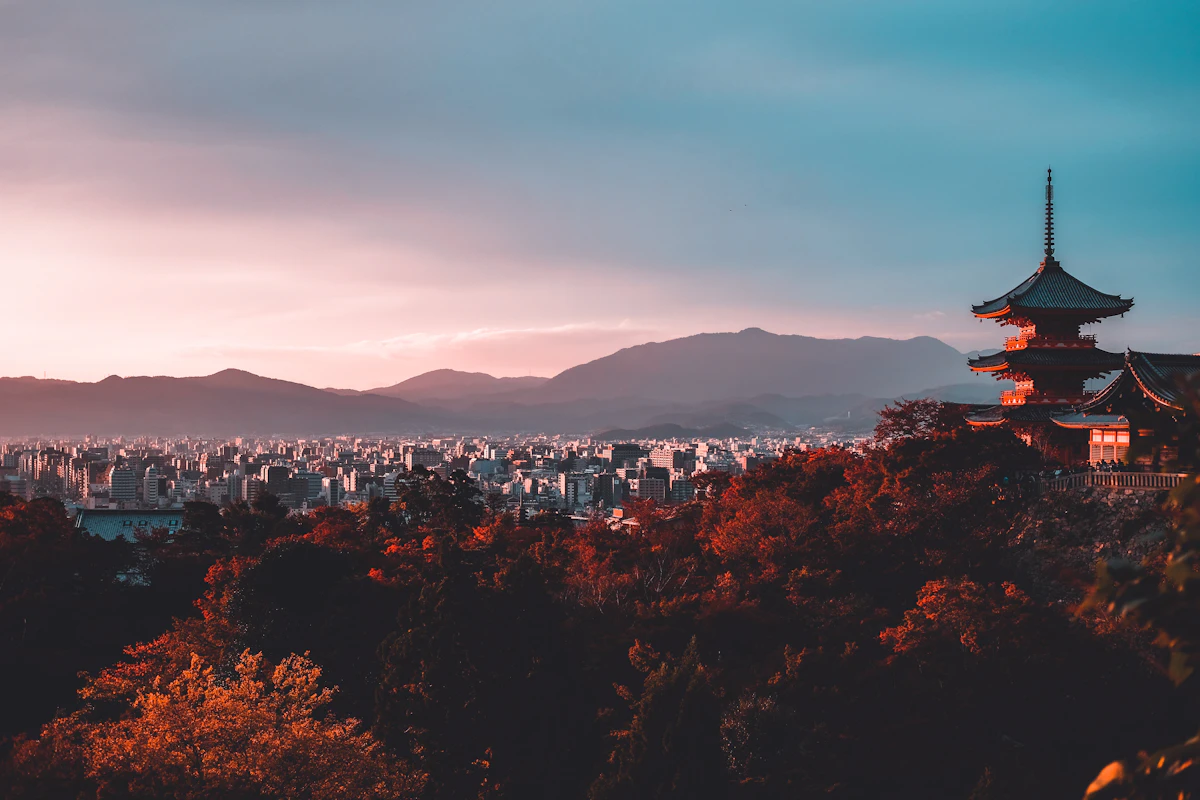
Edo era elegance in high mountain air
TAKAYAMA
SUGGESTED ITINERARIES
The Morning Markets Walk
Start your day at the Miyagawa Morning Market along the riverbanks, active from 7:00 AM. Vendors sell local apples, pickled vegetables, and handmade sarubobo dolls for roughly 500 to 1,500 yen. Walk toward the Kaji-bashi bridge to find the most photogenic stalls. Arrive early to avoid the tour bus crowds that typically descend by 10:00 AM.
Historic Sanmachi Suji
Navigate the preserved merchant district on Kami-sannomachi street, where wooden townhouses date back centuries. Stop at Harada Sake Brewery to sample local brews for 200 yen using a souvenir ochoko cup. Visit the Kusakabe Folk Museum to see authentic merchant architecture, which costs 500 yen for entry. This district is best explored on foot to avoid damaging the narrow, stone-lined alleyways.
Hida Folk Village
Take the Sarubobo Bus from the Takayama Nohi Bus Center for 210 yen to reach Hida Folk Village. This outdoor museum features relocated gassho-zukuri farmhouses that offer a quiet alternative to the more crowded Shirakawa-go. Adult admission is 700 yen and allows you to walk through the traditional thatched-roof structures. Spend at least two hours here to appreciate the craftsmanship of the mountain dwellers.
Takayama Jinya Exploration
Visit the Takayama Jinya, the only remaining provincial government office from the Edo period, located a short walk from the morning markets. Entry is 440 yen and provides a glimpse into administrative life with preserved rice granaries and interrogation rooms. Use the provided paper slippers to protect the aged floorboards during your tour. Afterward, wander the surrounding Takayama Jinya-mae morning market for local snacks like grilled mochi.
Before the first tour bus pulls into the station, a quiet mist clings to the dark timber rafters of the Sanmachi district. The Miyagawa River flows silently beneath the vermillion Nakabashi Bridge, its waters chilling the morning air. Shopkeepers slide open their heavy wooden shutters, releasing the faint, earthy scent of aging cedar and charcoal smoke. A solitary monk might pass by, his footsteps muffled against the damp cobblestones of the narrow alleys. In these early minutes, the village feels less like a tourist destination and more like a secret held by the Hida mountains.
Visit in late April for the Takayama Festival, where massive, ornate floats are paraded through the streets. If you prefer solitude, travel in mid-November when the autumn foliage turns the mountainsides into a patchwork of deep crimson and gold. Winters are harsh but beautiful, with heavy snow creating a silent, white blanket over the thatched roofs. Avoid the peak of Golden Week in early May, as accommodation prices triple and the streets become nearly impassable. Mid-week trips during the shoulder months of June or September offer the best balance of decent weather and accessibility.
Takayama Station is the primary hub, easily reached via the JR Hida Limited Express from Nagoya. Most of the historic district is compact and highly walkable, though the terrain is slightly hilly as you move toward the temple areas. Taxis are readily available at the station entrance for trips to more remote ryokans or the Hida Folk Village. Sidewalks in the historic center are narrow, so travelers with heavy luggage should prioritize staying near the station or the Jinya district. Ensure your smartphone has offline maps downloaded, as the deep valley location can occasionally cause cellular signal drops.
A solid two days is sufficient to cover the core historic district, the main markets, and the Takayama Jinya. Adding a third day allows for a deeper dive into the Hida-no-Sato village or a local sake distillery tour. If you plan to use Takayama as a base for day trips to Shirakawa-go or Kamikochi, budget four days total. Most visitors find that rushing through the town misses the point of its deliberate, slow-paced atmosphere. Do not overload your schedule, as the joy of this city lies in the aimless wandering of its backstreets.
As global connectivity brings more travelers to these mountain peaks, the town struggles to balance its heritage with modern demands. Small workshops continue to turn out exquisite woodwork, yet the number of traditional artisans is slowly declining. Will the soul of this merchant town persist as digital nomads and boutique hotels begin to redefine its quiet corners? Can Takayama maintain its authentic rhythm in a world that increasingly demands everything to be faster and more accessible?
Culinary Reality
Survival Protocols
- Cash is King:Many small craft shops and local food stalls in the historic district still do not accept credit cards. Always carry at least 10,000 yen in small notes for market purchases. ATMs are available at the 7-Eleven near the train station if you run low.
- Respect the Silence:Takayama remains a living residential area despite its popularity. Avoid speaking loudly in the narrow residential side streets after 8:00 PM. Local residents value their peace, and observing these social cues makes you a much more welcome visitor.