




Where volcanic fire meets the brutal cold.
YELLOWSTONE-NATIONAL-PARK
Culinary Reality
Survival Protocols
- Bison and Bear Protocol:Keep at least 100 yards from bears and wolves, and 25 yards from bison or elk. Carry bear spray—specifically the Frontiersman brand—on your hip, not inside your backpack. If a bison blocks the road, turn off your engine and wait; do not honk or attempt to bypass.
- Cellular Dead Zones:Cell service is effectively non-existent in the Lamar Valley and most interior canyons. Download offline maps via Google Maps or purchase a physical National Geographic Trails Illustrated map before entering. Do not rely on your phone for emergency navigation or communication.
The clerk at the Mammoth Hot Springs general store tossed a rag onto the counter, grumbling about the frost that hit the boardwalks again last night. He claimed the heater in the back had been running since August and still couldn't keep the damp chill out of the floorboards. It’s early June, he muttered, but the snow hasn't fully retreated from the higher passes near Dunraven. You don't come here for the climate, he added, pointing toward the window where the sulfurous steam hung heavy over the limestone terraces. It is a temperamental landscape that cares very little for your vacation itinerary.
The most honest advice for Yellowstone is to avoid the July peak at all costs. Visit during the shoulder season, specifically the last two weeks of September, when the elk rut is active and the crowds thin significantly. Book your lodging at least twelve months in advance through Yellowstone National Park Lodges. If you miss the booking window, check the website daily for cancellations, which occur frequently as people finalize their travel plans. A vehicle is non-negotiable; without your own transport, you are trapped in a single hub.
Most visitors access the park via the North Entrance through Gardiner, Montana, off U.S. Highway 89. This route takes you directly past the Roosevelt Arch, the original park gateway. If flying, the Bozeman Yellowstone International Airport (BZN) is the most reliable hub, located about 90 miles from the North Entrance. Rent a standard SUV, as the park roads are well-maintained but prone to wildlife-induced traffic jams. Factor in a three-hour drive from the airport to the Mammoth entrance alone.
Accessibility within the park is a mixed bag of modern infrastructure and rugged geology. Most major boardwalks at Grand Prismatic and Old Faithful are wheelchair accessible, allowing for views of the geysers without hiking. However, many trails in the Canyon area remain unpaved and steep, making them difficult for those with mobility issues. Always check the current accessibility report on the NPS website before planning a specific route. Accessible parking is clearly marked, though spots fill up by 9:00 AM daily.
The landscape functions on a geologic clock that renders human concerns irrelevant. You will spend hours in a car, watching the steam rise from vents that haven't shifted in a century. The silence between the thermal outbursts is the most authentic part of the experience. Everything else is just scenery.
TOP ATTRACTIONS
Grand Prismatic Spring
Skip the crowded boardwalk level and hike the Fairy Falls trail to the overlook. It is a 1.6-mile round trip on a moderate grade that offers the iconic view of the spring's spectrum. Park at the dedicated Fairy Falls lot; it fills by 8:30 AM in mid-summer. There is no entry fee beyond the standard $35weekly park pass.
Lamar Valley
This is the premier location for wolf and bear spotting, best done at dawn or dusk. Bring high-quality binoculars or a spotting scope, as the animals are often miles away in the brush. Stay on the designated pullouts along the road to avoid trampling the fragile alpine meadows. It costs nothing but time and patience to witness the ecosystem here.
Old Faithful
The eruption happens roughly every 90 minutes, with updates posted in the visitor center. View it from the Upper Geyser Basin boardwalks rather than the crowded viewing deck near the inn. The area is fully ADA accessible and includes a significant amount of seating. Avoid the midday heat and the tour bus arrivals by visiting before 8:00 AM.
Grand Canyon of the Yellowstone
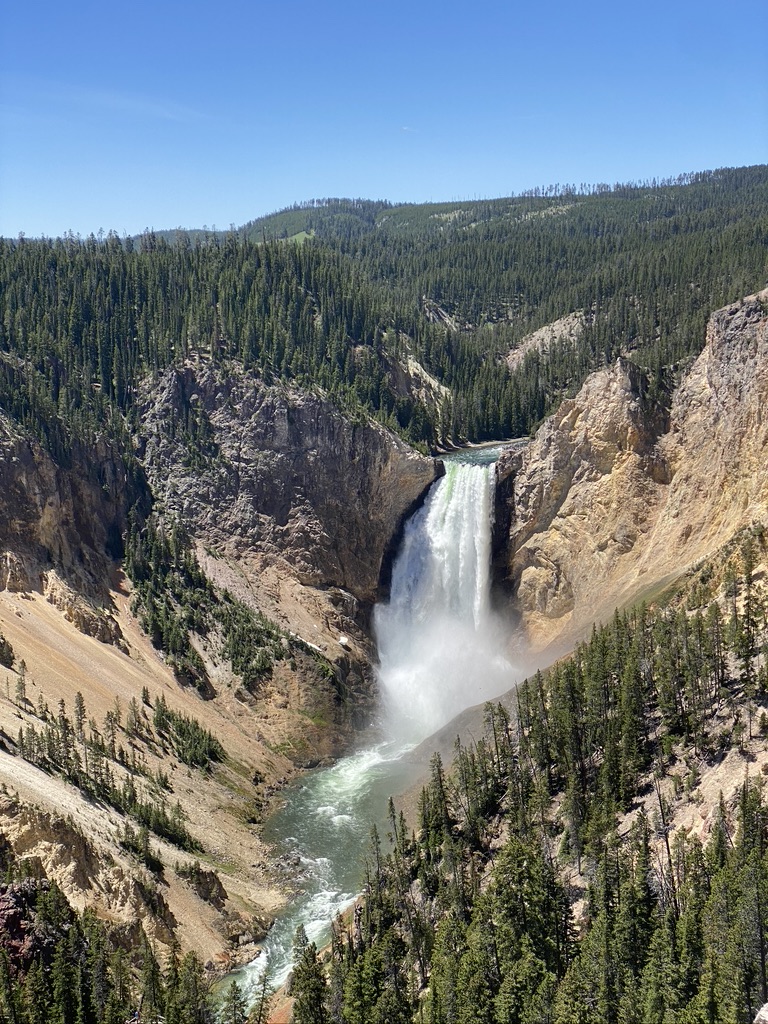
Head to the Brink of the Lower Falls trail for a steep, switchback descent into the canyon. It is a short, strenuous walk that puts you directly above the 308-foot waterfall. Wear sturdy hiking boots, as the trail is often slippery even in dry weather. Parking at the South Rim lot is easier than the North Rim during peak daylight hours.
Culinary Reality
Survival Protocols
- The Layering Rule:Always carry a moisture-wicking base layer and a synthetic down jacket regardless of the forecast. Rapid thunderstorms in the afternoon can turn a warm day into a hypothermic situation within minutes. Do not wear cotton, as it retains moisture and will keep you cold.
- Hydration at Altitude:You are at an average elevation of 8,000 feet, which accelerates dehydration significantly. Drink twice the amount of water you think you need to prevent altitude headaches. Keep a reusable Nalgene bottle filled and accessible at all times.